What your employees don't know about healthcare is costing you a fortune.
The vast majority of US adults are not health-literate, and because of that they cost 85% more in medical and pharmacy spend. They overuse the ER, agree to tests and scans they don't need, and miss opportunities to prevent disease or utilize effective benefits. Quizzify is health literacy with a curriculum reviewed by Harvard Medical School-affiliated physicians, taught through trivia mini-lessons.
- 1,800+HMS-reviewed questions
- 5-minimplementation
- No PHIever
- 95%+learn something new
How many times are sugars listed on the label of a Quaker® Quinoa Granola Bar?
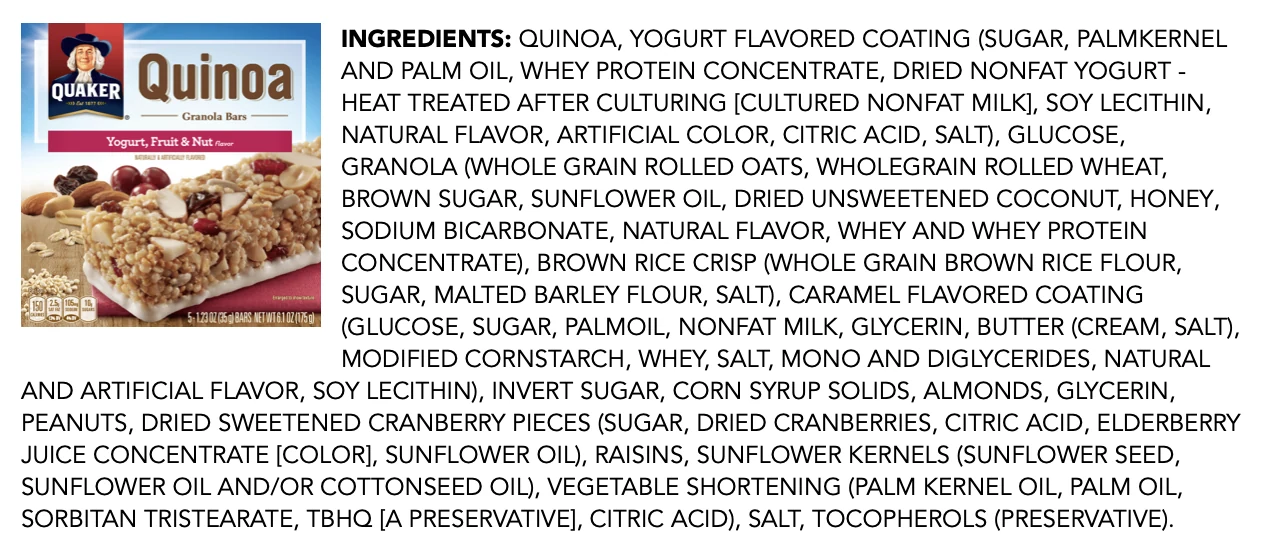
Pulse Check — Learn by Guessing
Take a guess and see the overall metrics for health literacy and benefits knowledge.
Quizzify
What percentage of US adults are health literate enough to avoid wasteful spending on useless or harmful treatments?
Move the slider to select your answer
What employees don't know costs a lot.
Inadequately health-literate employees cost ~85% more in medical and pharmacy spend.
12%
of US adults have proficient health literacy
…meaning they can handle complex health and benefits information — like calculating an out-of-pocket from a plan summary. Source: U.S. Dept. of Education, NAAL 2003 (cited by NIH/AHRQ).
The other 88% costs
85% more in medical claims.
Inadequately health-literate patients overuse the ER, agree to tests and scans they don't need, skip the programs you're already paying for, and miss early signs of melanoma and diabetes.
$31,581
Annual cost per patient with inadequate health literacy — vs. $17,033 for adequate.
Haun et al · VA · BMC Health Services Research · 2015
+69%
More physician visits among the basic-or-below-literacy population (≈36% of US adults).
Rasu et al · MEPS 2005–2008 · IJHPM · 2015
+52%
More ER visit spend — driven by literacy gaps and avoidable acute care.
Rasu et al · MEPS 2005–2008 · IJHPM · 2015
+328%
More Rx spend — wrong drugs, brand-name when generic works, duplicate fills.
Rasu et al · MEPS 2005–2008 · IJHPM · 2015
Lessons your team will love.
A monthly trivia contest, mobile-first, with a teaching moment behind every answer. Each round runs about 15 minutes.
Defensible content
Curriculum reviewed for clinical accuracy by doctors at Harvard Medical School. 1,800+ questions across benefits, prevention, medications, screenings, nutrition, and care navigation.
Launch in five minutes
Drop a link in an email or on your intranet — or hand us your list and we'll send it. No PHI, no integrations, no IT tickets.
Engagement that holds
10%+ engage with no incentive. 20%+ with one — every month, for 12+ months. 95%+ say they learned something new.
Drives use of what you already bought
Embed quiz questions about your specific programs — your COE network, your PBM, your virtual-care partner — so employees use the benefits you're already paying for.
Trivial security review
No PHI. Aggregate reporting only. Nothing for InfoSec to flag, nothing for procurement to slow-walk, nothing for an employee to feel weird about.
Runs itself
Automated rewards, simple admin reporting, a workflow where managing the program is mostly reading a monthly email. Pass-through to your broker if you want it.
A few things your employees will know that they don't today
1,800+ HMS-reviewed quizzes. Here's a slice of the library.
HoverTap any tile to see the key learnings. The list keeps growing — these are a slice of what employees encounter.

MRIs & Imaging
Americans get twice as many scans as Europeans — and the same MRI can swing from $500 to $2,000.
HoverTap for key learnings →
Key learnings
MRIs & Imaging
- →When to push back on an unnecessary order
- →Same scan → 10 different findings (real study)
- →Cost variance: $500 vs $2,000 for the same MRI
- →When out-of-network MRI saves $1,500+

Sleep
No "dark, quiet room" lectures. You already know that.
HoverTap for key learnings →
Key learnings
Sleep
- →Why the "sleep debt" you can pay back is a myth
- →Caffeine cut-off times that actually matter
- →How alcohol wrecks REM sleep

Brain Health
How much do you know about maintaining your brain — and your kids' brains?
HoverTap for key learnings →
Key learnings
Brain Health
- →Daily habits that protect cognition
- →Screen exposure realities (and the misinformation)
- →Diet → brain connections that hold up

5 Totally Avoidable Medical Emergencies
Together they account for about 8 million ER visits a year.
HoverTap for key learnings →
Key learnings
5 Totally Avoidable Medical Emergencies
- →The five that account for ~8M ER visits/year
- →When urgent care saves you $1,000+
- →Out-of-network 'in-network' ER traps

Gut Health
You'll be amazed at how much is going on down there.
HoverTap for key learnings →
Key learnings
Gut Health
- →Probiotic claims that hold up — and don't
- →PPI long-term risks (bone, B12, kidney)
- →Fiber's role in microbiome health
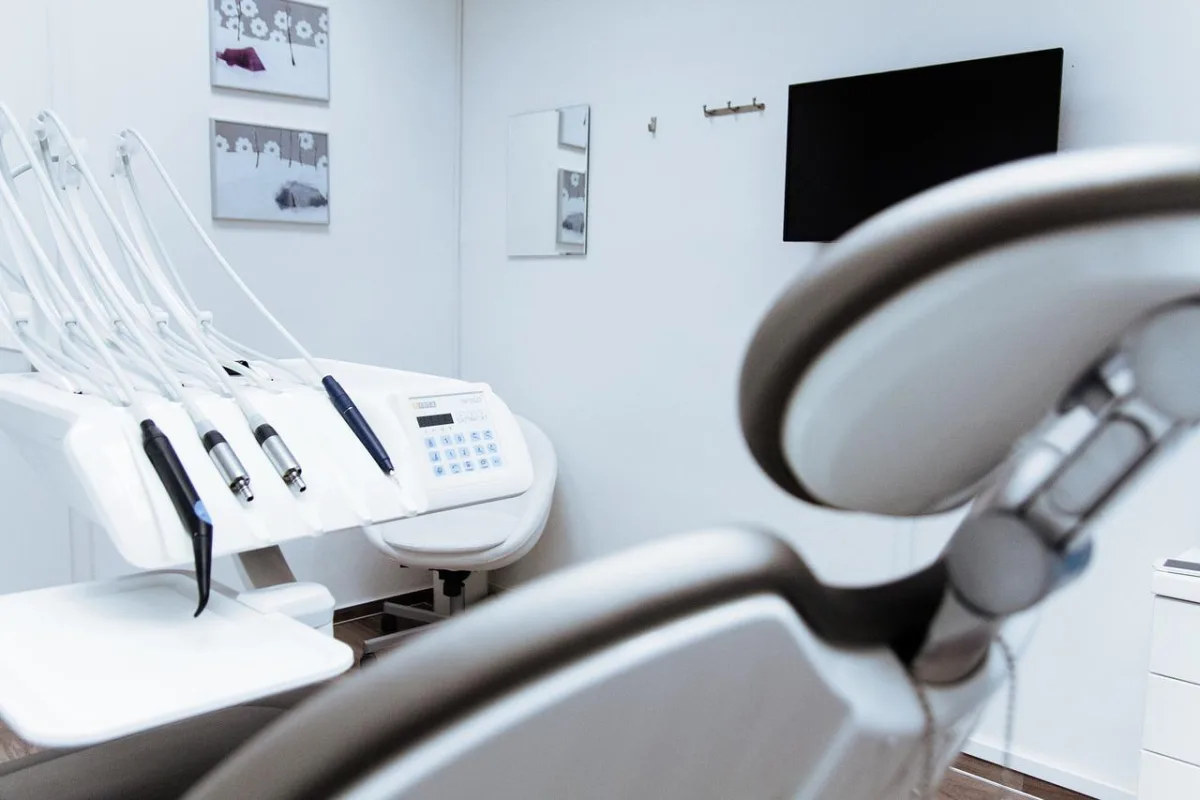
Cavities!
Filling cavities may be the biggest scam in healthcare.
HoverTap for key learnings →
Key learnings
Cavities!
- →Silver diamine fluoride (SDF) basics
- →Why most dentists don't volunteer it
- →When fluoride toothpaste alone is enough
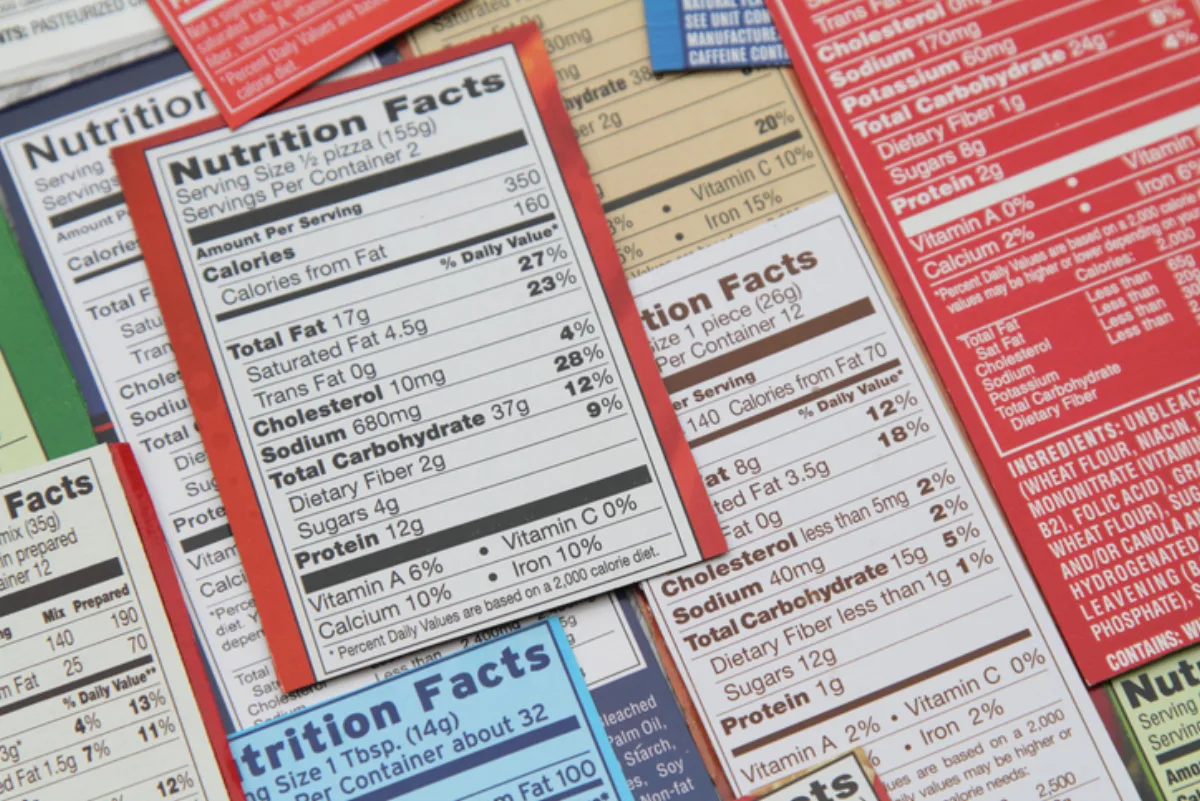
Squirrelly "Nutrition Facts" Labels
Why you should mostly ignore them.
HoverTap for key learnings →
Key learnings
Squirrelly "Nutrition Facts" Labels
- →How label sugar gets split across 10 names
- →Serving-size sleight of hand
- →The three lines worth reading

Heartburn
How to avoid the most common malady in the US.
HoverTap for key learnings →
Key learnings
Heartburn
- →Long-term PPI risks (kidney, B12, fractures)
- →Pepcid / Tums as safer alternatives
- →Non-drug fixes (incline the bed)

Ticks!
How to avoid the most common insect-transmitted disease in the US.
HoverTap for key learnings →
Key learnings
Ticks!
- →Lyme prevention basics
- →What to do in the 36 hours after a bite
- →Region-specific tick-borne risks

Sugar!
How food companies hide it — and how you can find it.
HoverTap for key learnings →
Key learnings
Sugar!
- →Ten names food companies use for sugar
- →Sugar hidden in 'healthy' marketed foods
- →Daily-limit reality vs guideline

Ooh, My Aching Back
How to avoid, manage and cure back pain.
HoverTap for key learnings →
Key learnings
Ooh, My Aching Back
- →Movement + PT-first protocol
- →When NOT to image early
- →Virtual MSK as the right hand-off
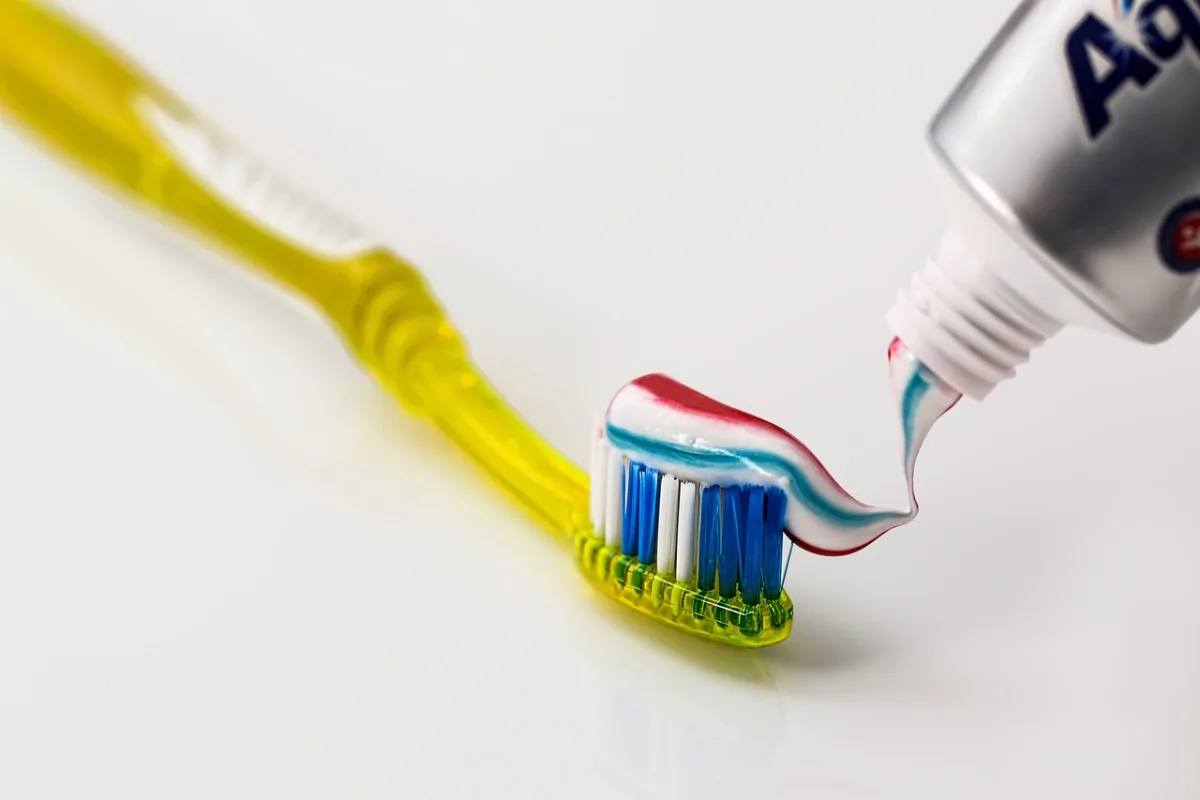
Too Much…or Not Enough?
Toothpaste, protein, detergent — overdoing it or underdoing it?
HoverTap for key learnings →
Key learnings
Too Much…or Not Enough?
- →Right amount of toothpaste (less than you think)
- →Protein for most adults (less than you think)
- →Detergent: less is genuinely more

Nicotine
Pack-a-day cost, what's in vape vapor, lung disease — and the confidential cessation program your benefits already cover.
HoverTap for key learnings →
Key learnings
Nicotine
- →Lifetime cost of a pack-a-day habit
- →What's actually in vape vapor (lead, arsenic)
- →Bubble lung / popcorn lung from vaping
- →How the cessation program protects privacy
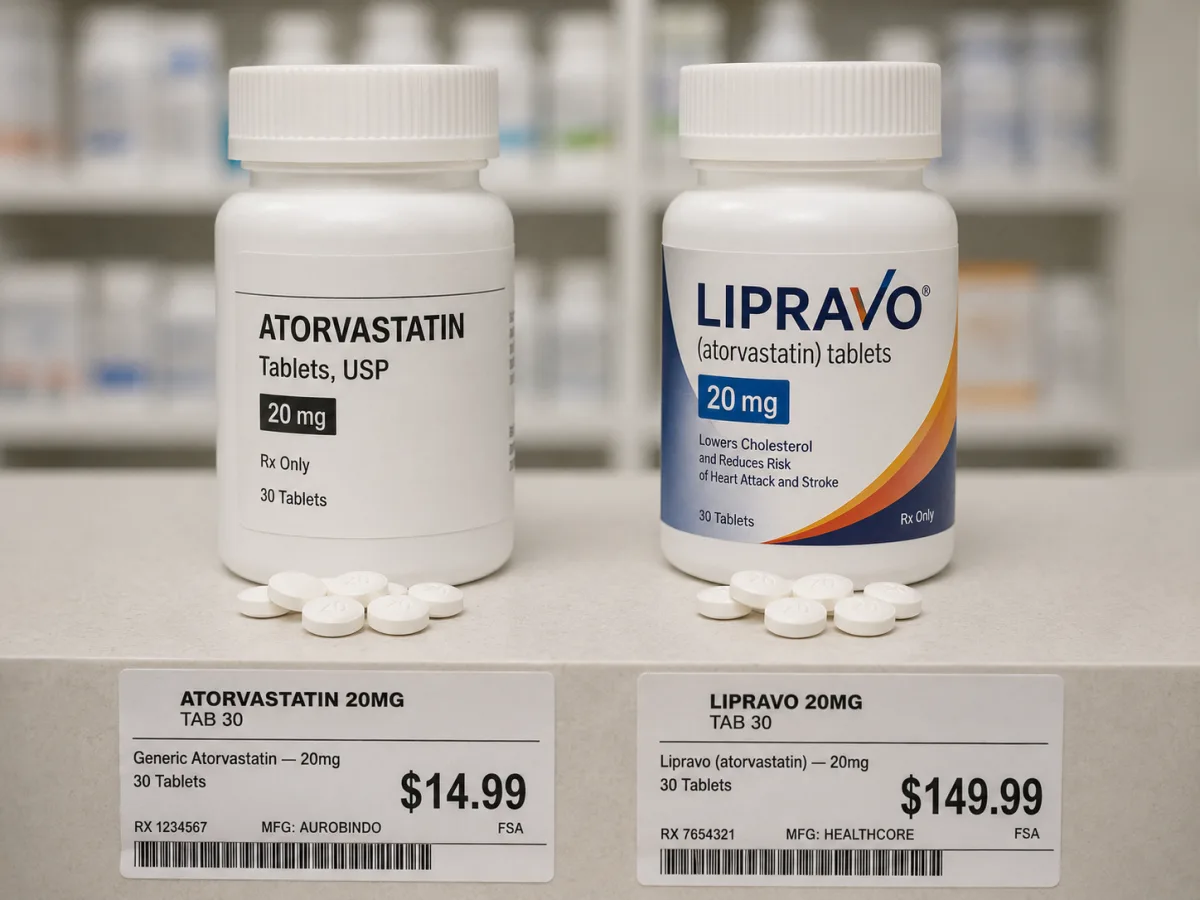
Generic vs Brand Drugs
Why a coupon for the brand-name fill often ends up costing you more.
HoverTap for key learnings →
Key learnings
Generic vs Brand Drugs
- →Why brand-name coupons cost more long-term
- →How to ask for the generic
- →The refill copay trap

Antibiotics
When you really need them — and why you don't have to finish the bottle anymore.
HoverTap for key learnings →
Key learnings
Antibiotics
- →Which infections actually need antibiotics
- →The 'finish the bottle' myth — updated guidance
- →How resistance gets engineered at home

Stents, Statins & Heart Attacks
The pills and procedures that get oversold — and the habit that actually moves the needle.
HoverTap for key learnings →
Key learnings
Stents, Statins & Heart Attacks
- →ORBITA: stents don't help stable angina
- →Statins — primary vs secondary prevention math
- →Why a brisk walk beats most prevention pills
- →Niacin myth — the modern trial data

EAP & Mental Health
Free, confidential, often forgotten — and one of the highest-ROI benefits in the stack.
HoverTap for key learnings →
Key learnings
EAP & Mental Health
- →What the free sessions actually cover
- →What HR can and can't see
- →When to escalate beyond the EAP
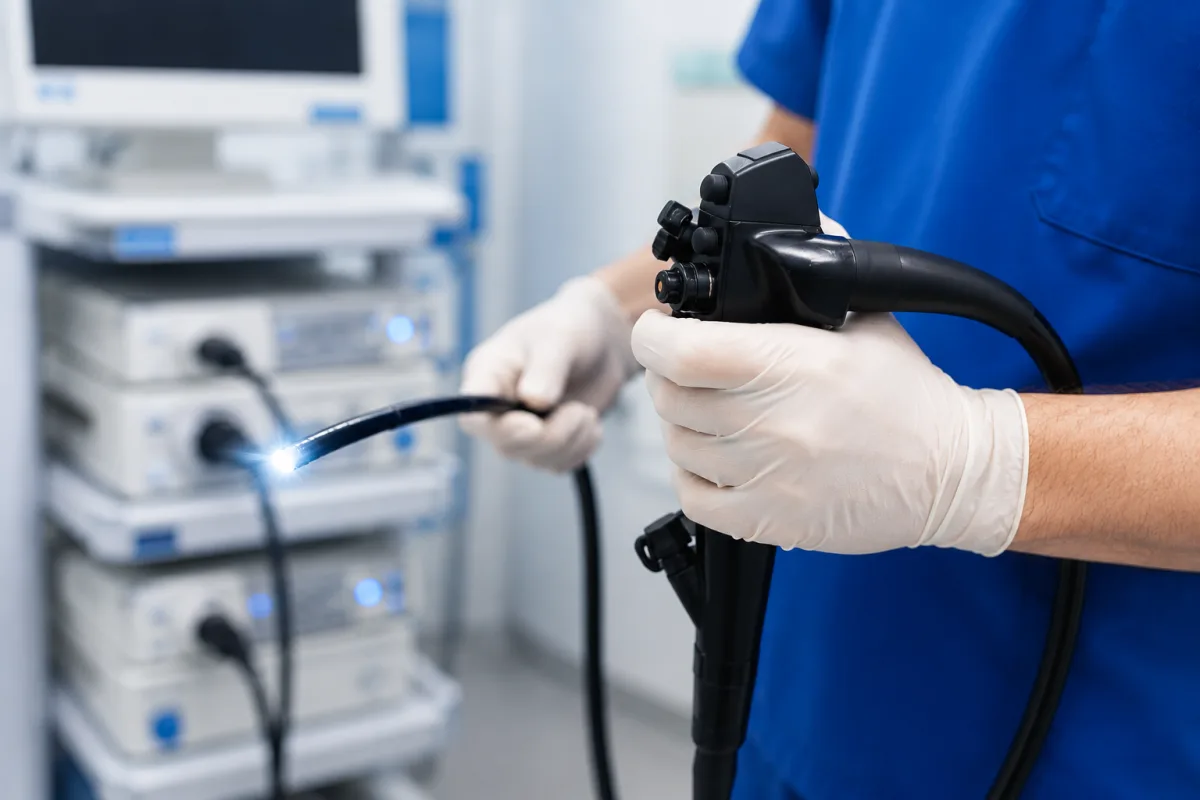
Colonoscopy Alternatives
An at-home test is nearly as good as the gold standard — without the prep.
HoverTap for key learnings →
Key learnings
Colonoscopy Alternatives
- →FIT (annual) vs colonoscopy (every 10y)
- →Cologuard tradeoffs
- →When the procedure is still worth it
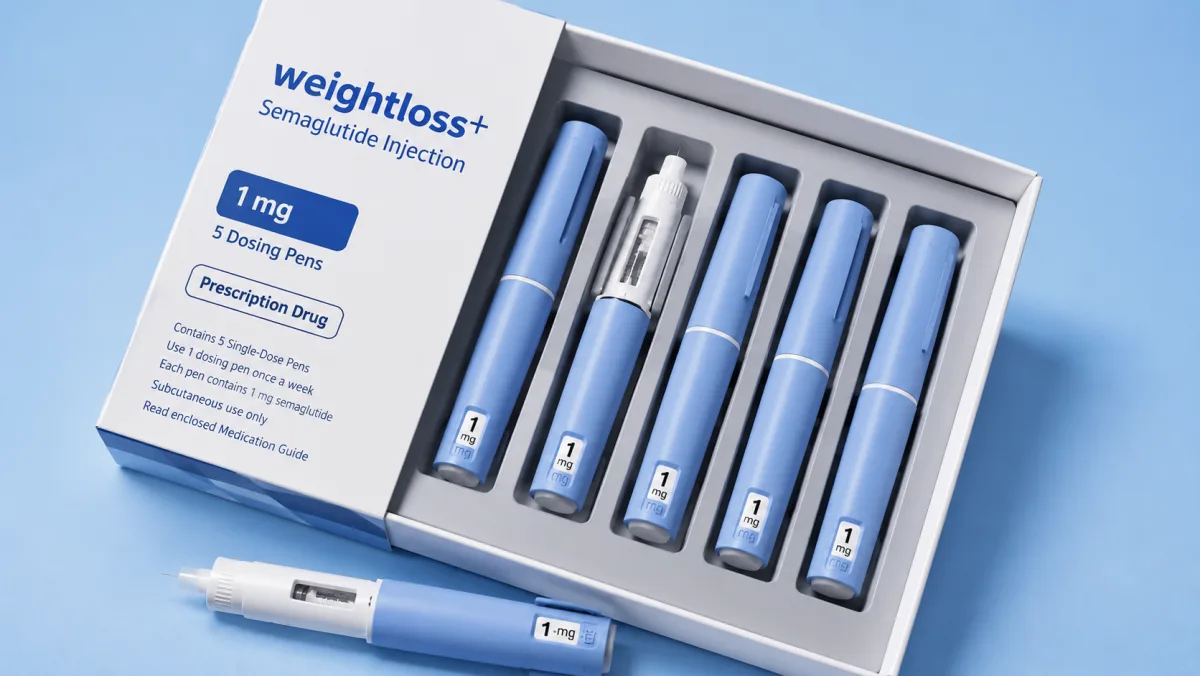
GLP-1s
Ozempic, Wegovy, Mounjaro — what to ask before, during, and after.
HoverTap for key learnings →
Key learnings
GLP-1s
- →The eligibility question to ask first
- →Side-effect management (and what to eat)
- →What happens when you stop
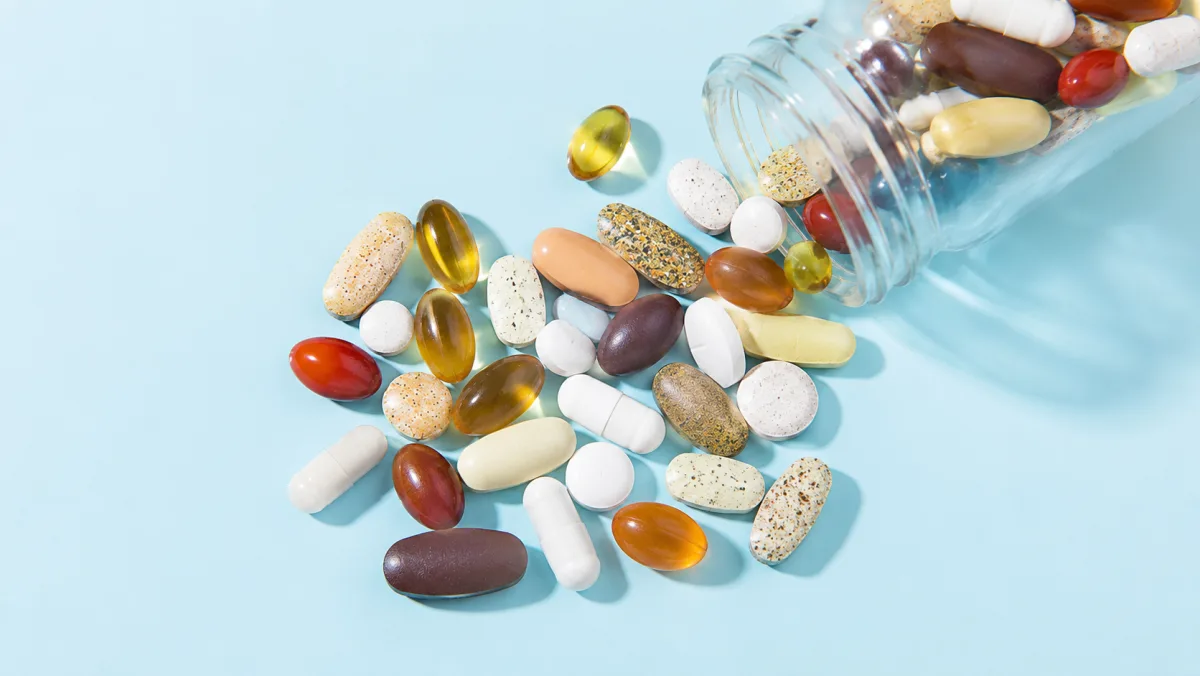
Supplements
Stop wasting money on the wrong ones.
HoverTap for key learnings →
Key learnings
Supplements
- →Iron — the riskiest supplement in your house
- →Vitamin C megadose: 'overfilling a bathtub'
- →What the evidence actually supports

Telehealth
When a phone visit beats an in-person one (and when it doesn't).
HoverTap for key learnings →
Key learnings
Telehealth
- →Cost vs in-person comparison
- →Symptoms it handles well
- →Symptoms it doesn't
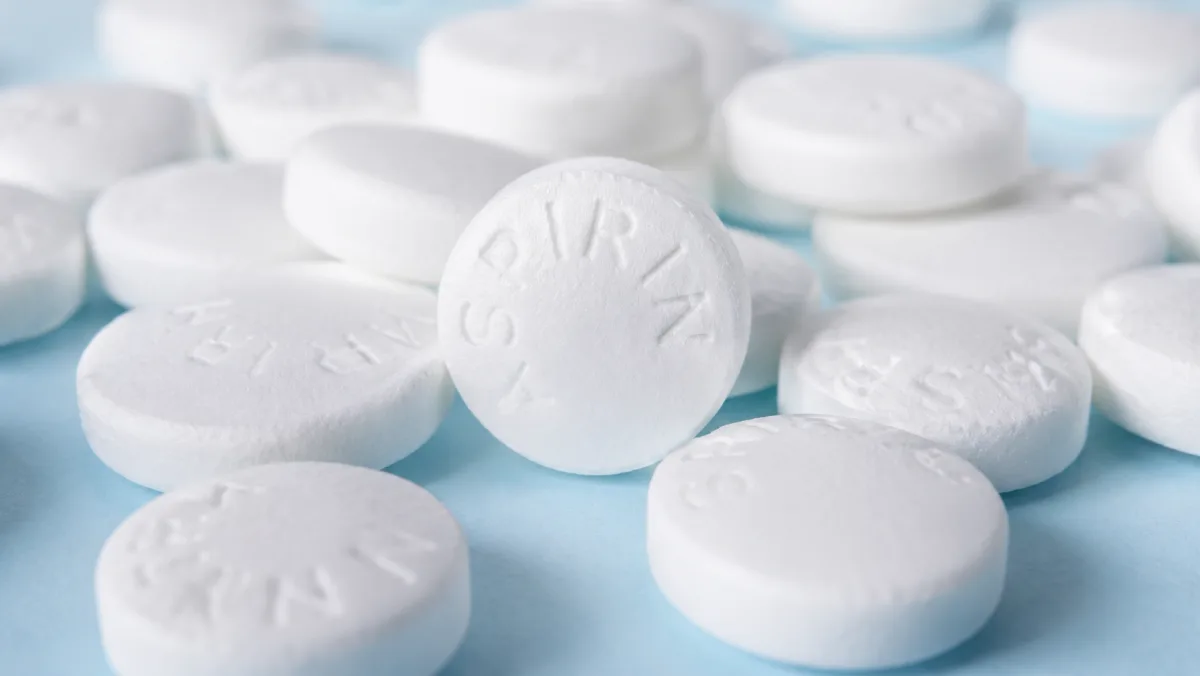
Aspirin
USPSTF reversed itself in 2022. Most healthy adults should skip it.
HoverTap for key learnings →
Key learnings
Aspirin
- →The 2022 reversal in plain English
- →Bleeding risk math
- →When daily aspirin still makes sense
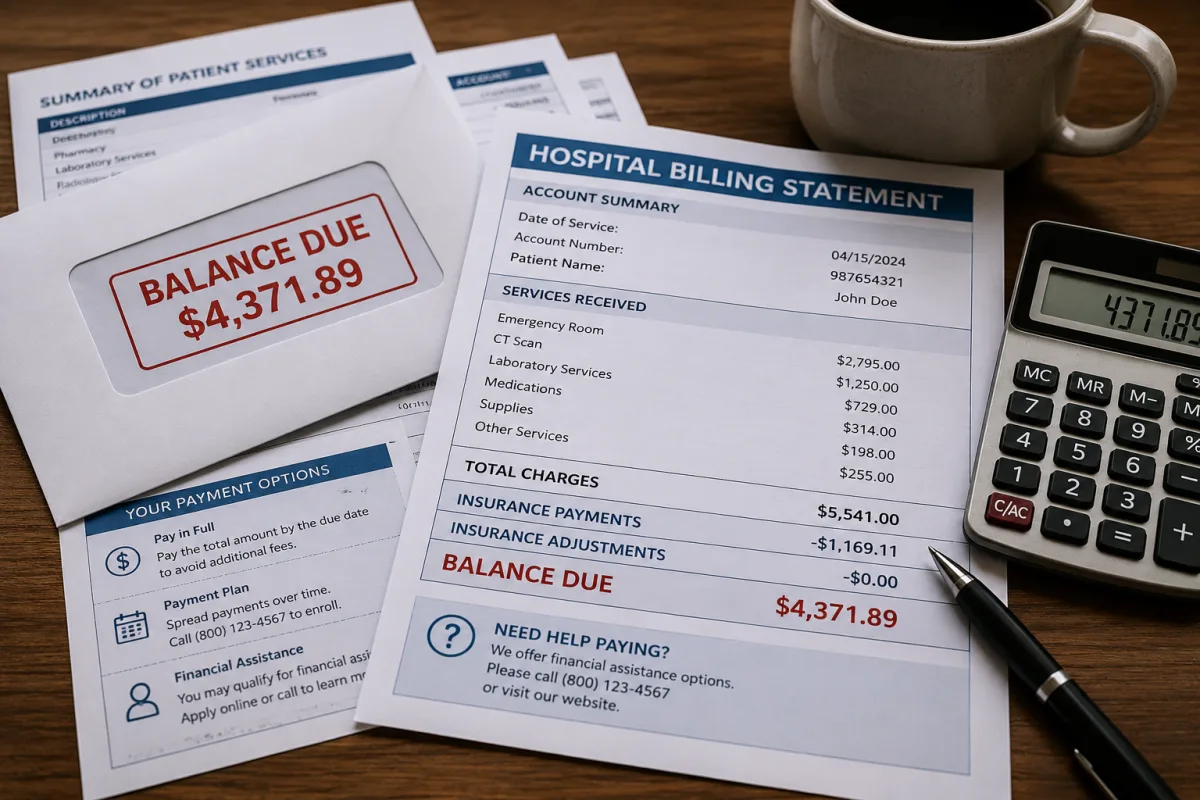
Hospital Pricing & Surprise Bills
Same procedure, same city — prices can swing 4×. Plus the 'in-network ER, out-of-network doc' trap the No Surprises Act doesn't always catch.
HoverTap for key learnings →
Key learnings
Hospital Pricing & Surprise Bills
- →How to comparison-shop a procedure
- →When the cash price beats insurance
- →The 'in-network ER, out-of-network doc' trap
- →Which surprise bills you can fight — and how
Promote Your Benefits & Get Signups
A custom quiz for any program in your stack — EAP, cessation, GLP-1, vision. Every click and sign-up tracked.
HoverTap for key learnings →
Key learnings
Promote Your Benefits & Get Signups
- →Step-by-step EAP enrollment walkthroughs
- →Vision (VSP): contacts, frames, LASIK
- →Telehealth: when a phone visit makes sense
- →Per-program click-through + conversion reporting
Every quiz ends with a billboard for one of your other benefits.
Cessation, EAP, GLP-1, MSK, second opinion, COE — any program you already pay for. Quizzify routes the click and reports the conversion.
BreatheFree
A cessation benefit
Quit smoking.
Keep your premium discount.
Free coaching, free patches/gum, and the tobacco surcharge comes off your medical premium the day you enroll.
- Confidential
- $0 cost
The win
$500K
lifetime take-home pay
a pack-a-day habit costs you
The partner above (BreatheFree Cessation Health) is fictional — a stand-in for your cessation, EAP, coaching, GLP-1, or MSK vendor. Click either CTA to see what the in-production handoff looks like.
The add-on that makes the rest of your stack look smarter.
Quizzify pairs with what your client already has — the point solutions, the TPA, the wellness program — and lifts utilization on all of them. You're not asking your client to swap anything. You're raising the floor under everything.
The point solutions you already sold them.
The COE network. The virtual MSK program. The diabetes program. All of them work better when employees know what they are and why they should opt in. That's what Quizzify does. That's the line you can hold at renewal.
Engagement numbers you'd brag about at renewal.
The benefits-conference test
Quizzify gets paid to present at industry conferences. Because the audience wants to play.
Case Study · Vermont Schools
We invited 11,000 employees to play with one link.
Here's what happened.
73%
Registration rate
76%
Active users (365d)
98%
Quiz completion rate
97%
"Did you learn something new?"
What a real Quizzify user said
“My son got injured playing sports. The doctor recommended a CAT scan after the X-ray. I'd just taken Quizzify and remembered the radiation question. We declined the scan. I made the best decision for my son.”
Quizzify vs. Wellness
| Traditional Wellness Platform | Quizzify | |
|---|---|---|
| Implementation | 3–6 months, IT tickets, PHI plumbing | 5 minutes. One link. |
| Risk | Pay whether anyone uses it | If they don't play, you don't pay |
| Privacy | HRA + biometrics + PHI everywhere | Zero PHI. Aggregate only. |
| Content | Generic 'drink water' articles | 1,800+ HMS-reviewed teaching moments |
| Engagement | 4–8% sustained, generously | 10–20%+ every month |
| What employees say | "Did we have one of those?" | "Send me the next one" |
| Pricing | $30–$150 PEPY | $6–$15 PEPY |
Three ways to buy. Pick the one that matches how you measure value.
Conventional
Predictable annual budget
$12/employee/year
Volume discounts apply
- ✓Full library of 1,800+ HMS-reviewed quizzes
- ✓Custom benefits questions about your programs
- ✓Automated incentives and admin reporting
- ✓Unlimited eligible employees and dependents
- ✓Email / intranet / poster distribution kit
Engagement
If they don't play, you don't pay
$6/quiz completed
Capped at $15 PEPY · zero floor · Volume discounts apply
- ✓Pay only for quizzes employees finish
- ✓Total cost is bounded by the cap — no surprises at renewal
- ✓Vendor incentive aligned with your engagement
- ✓Same HMS-reviewed content and customization
- ✓The default choice for broker-led deals
Per Click
Pay only when employees act
TBD/click
Custom per client · pricing tied to the value of the program
- ✓Pay per click on in-quiz and post-quiz CTAs to your benefits programs
- ✓Nicotine cessation, EAP, coaching, GLP-1 — "Sign up for X"
- ✓Aligns spend with measurable enrollment, not eyeballs
- ✓Combines cleanly with Conventional or Engagement
- ✓Reporting at the per-program level